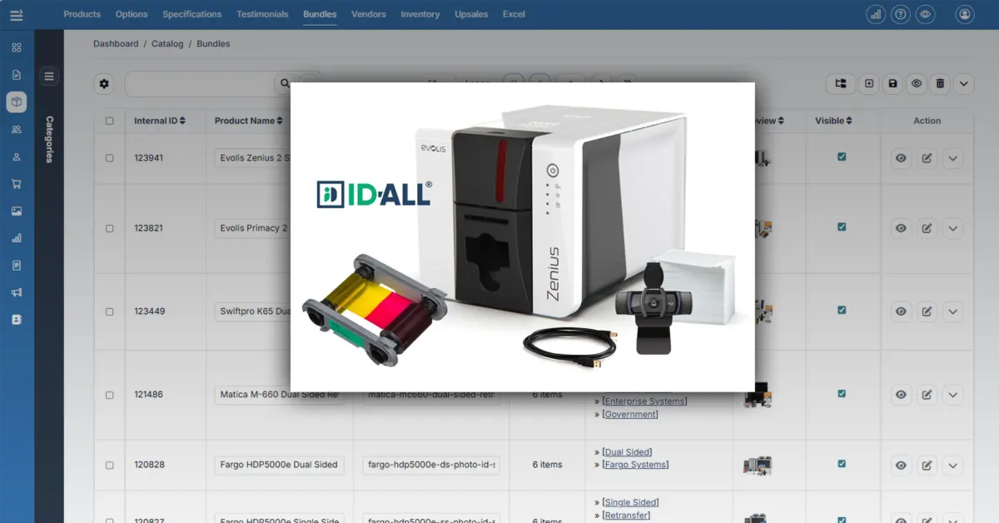
Product bundles are more than a simple merchandising tactic. When used strategically, they help shoppers discover complete solutions, increase average order value, simplify purchasing decisions, and give merchants more flexibility in how products are presented, promoted, and sold.
Within Adrecom's E-commerce Suite, bundles allow catalog owners to group multiple existing products and present them as a single purchasable item. This is especially valuable for businesses with complex catalogs, configurable products, recurring buying patterns, or products that naturally work better together.
What Are Product Bundles?
A standard e-commerce catalog typically treats each product as an individual item. A bundle, by contrast, combines several related products into one complete package.
For example, instead of selling a main product, accessory, refill, and add-on separately, a business can offer them together as a ready-to-buy kit. This creates a clearer buying path for the customer and gives the merchant more control over how related products are positioned.
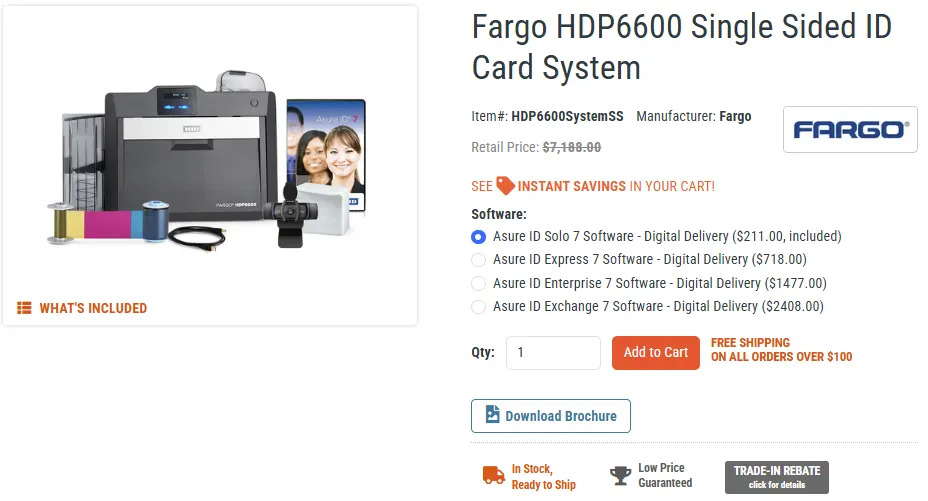
Bundles are most effective when they are based on real shopping behavior, customer needs, product compatibility, and sales goals. A strong bundle should feel useful, logical, and convenient — not like a random group of products placed together.
Why Bundles Matter
1. Increase Average Order Value
Bundles encourage customers to purchase a more complete solution instead of a single item. This can raise average order value without relying only on discounts or aggressive upselling.
2. Simplify the Buying Decision
When customers are faced with too many individual choices, they may hesitate or abandon the purchase. A bundle reduces decision fatigue by presenting a curated recommendation.
3. Promote Complementary Products
Bundles make it easier to introduce accessories, replacement parts, consumables, related services, or premium options that a customer may not have considered on their own.
4. Improve Product Discovery
For large catalogs, bundles can help guide shoppers toward combinations that make sense. This is especially useful in B2B, wholesale, manufacturing, specialty retail, food gifting, equipment, and configurable product environments.
5. Support Promotions and Seasonal Campaigns
Bundles can be used for limited-time offers, holiday kits, starter packages, bulk-value deals, subscription-style replenishment, or industry-specific solutions.
How Bundles Work in Adrecom
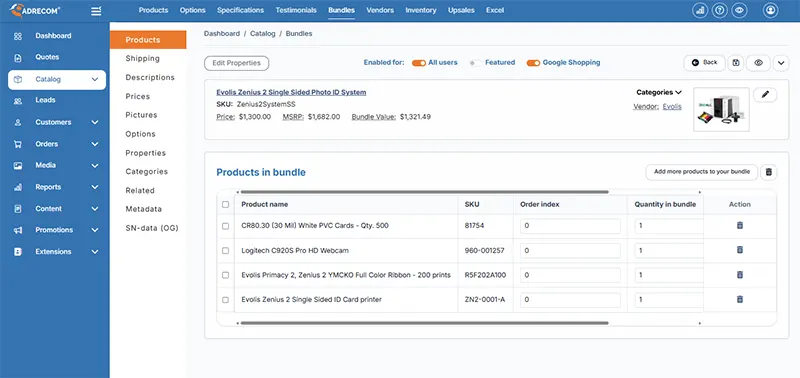
In Adrecom's Back Office, bundles can be created and managed much like standard products. Merchants can define the bundle title, description, images, pricing, product details, and included items.
Once the bundle is created, it can be assigned to existing product categories, promoted in a dedicated bundles category, or displayed alongside standard products throughout the catalog.
This flexibility allows businesses to decide how bundles should function within the shopping experience. Some bundles may appear as everyday products, while others may be positioned as special offers, promotional kits, or curated solutions.
Bundle Presentation Options
Category-Based Bundles
A business can create a dedicated "Bundles," "Kits," "Starter Sets," or "Packages" category. This approach works well when bundles are a major part of the sales strategy or when they are promoted as special offers.
Product Page Bundles
Bundles can also appear alongside individual products as recommended packages. For example, a customer viewing a base product may see a complete kit that includes accessories or related items.
Promotional Bundles
Bundles can be used for seasonal campaigns, clearance strategies, holiday gifts, limited-time offers, or customer-segment-specific promotions.
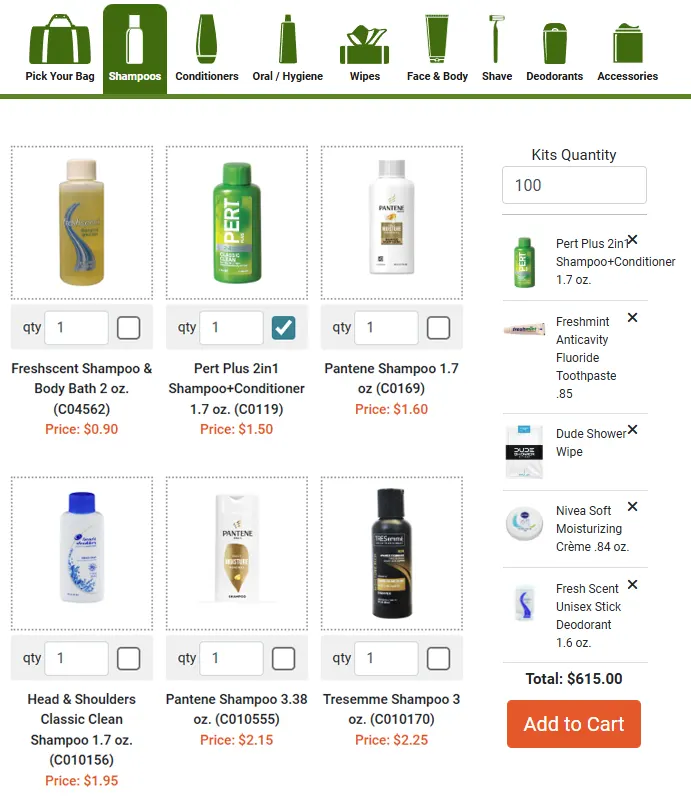
Build-Your-Own Kits
For businesses with more complex requirements, bundling can evolve into a configurable "build your kit" experience. This is especially useful when customers need to select variations, quantities, flavors, sizes, components, or optional add-ons before checkout.
Best Practices for Product Bundling
Keep the Bundle Logical
Products should naturally belong together. A good bundle solves a problem, completes a task, or supports a specific use case.
Make the Value Clear
Customers should immediately understand why buying the bundle is better than buying each item separately. The value may come from convenience, savings, compatibility, expert curation, or time saved.
Use Strong Product Content
Bundle pages should include clear descriptions, images, included-item details, specifications, and any compatibility notes. This helps customers trust the package and reduces confusion.
Avoid Overloading the Bundle
Bundles with too many unrelated products can feel confusing. Start with focused combinations and expand based on customer behavior and sales data.
Measure Performance
Track bundle views, conversions, average order value, repeat purchases, and which bundled products perform best. Over time, this data can guide better merchandising decisions.
Bundles for B2B and B2C Commerce
Bundles are useful in both consumer and business commerce.
For B2C sellers, bundles can support gift sets, starter kits, curated collections, subscription-style replenishment, seasonal offers, and lifestyle-based merchandising.
For B2B sellers, bundles can help customers reorder standard packages, purchase equipment kits, configure job-specific supplies, or buy grouped products based on industry requirements.
In both cases, the goal is the same: make purchasing easier while increasing the value of each transaction.
Turning Catalog Complexity Into a Sales Advantage
As product catalogs grow, merchandising becomes more complex. Businesses need more than simple product listings — they need tools that help structure, promote, and sell products in smarter ways.
Adrecom's E-commerce Suite gives businesses the ability to manage products, content, promotions, and customer experiences from a unified platform. Bundling is one of the catalog strategies that helps turn product complexity into a more guided, profitable shopping experience.
Whether you are selling kits, packages, configurable sets, promotional offers, or complementary products, product bundles can help customers buy with confidence while giving your business more control over catalog presentation and sales strategy.